Sunday, 24 August 2014

KNOWING HEPATITIS C

What is Hepatitis C?
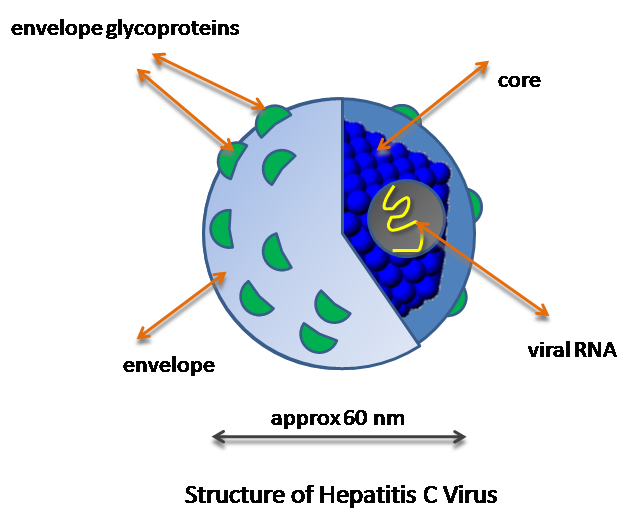
Hepatitis C is a disease that affects the liver and is caused by the hepatitis C virus. The virus can cause both acute and chronic hepatitis infection, ranging in severity from a mild illness lasting a few weeks to a serious, lifelong illness.
Most people infected with the hepatitis C virus (HCV) have no symptoms and may live without being able to detect it.


How is it gotten?
Hepatitis C is gotten through contact with contaminated blood. The most common modes of infection are through unsafe injection practices; inadequate sterilization of medical equipment in some health-care settings; and unscreened blood and blood products.

How does one know he/she is infected?
Hepatitis C virus infection usually does not present any signs and symptoms until later stages. You will have to see the doctor if you notice the following symptoms: fever, fatigue, decreased appetite, nausea, vomiting, abdominal pain, dark urine, grey-coloured faeces, joint pain and jaundice (yellowing of skin and the whites of the eyes).

Are there any other means of getting infected?
Hepatitis C is not spread through breast milk, food or water or by casual contact such as hugging, kissing and sharing food or drinks with an infected person.

Who are those at risk?
Your risk of hepatitis C infection is increased in the following instances:

  • health  care worker who has been exposed to infected blood, such as may happen if an infected needle pierces your skin
  • recipients of infected blood products or invasive procedures in health-care facilities with inadequate infection control practices
  • children born to mothers infected with HCV
  • people with sexual partners who are HCV-infected
  • people with HIV infection
  • people who have used intranasal drugs
  • people who have had tattoos or piercings.
How to prevent HCV?
There is no vaccine for hepatitis C, therefore prevention of HCV infection depends upon reducing the risk of exposure to the virus in health-care settings and in higher risk populations.

  • Stop using illicit drugs. If you use illicit drugs, seek help.
  • Be cautious about body piercing and tattooing. If you choose to undergo piercing or tattooing, look for a reputable shop. Ask questions beforehand about how the equipment is cleaned. Make sure the employees use sterile needles. If employees won't answer your questions, look for another shop.
  • Practice safer sex if you choose to have sex. Don't engage in unprotected sex with multiple partners or with any partner whose health status is uncertain. Sexual transmission between monogamous couples may occur, but the risk is low.
  • hand hygiene: including surgical hand preparation, hand washing and use of gloves;
  • safe handling and disposal of sharps and waste;
  • safe cleaning of equipment;
  • testing of donated blood;
  • improved access to safe blood;
  • training of health personnel.

  • For people infected with the hepatitis C virus, WHO recommends:
    • education and counselling on options for care and treatment;
    • immunization with the hepatitis A and B vaccines to prevent coinfection from these hepatitis viruses to protect their liver;
    • early and appropriate medical management including antiviral therapy if appropriate; and
    • regular monitoring for early diagnosis of chronic liver disease.

    Monday, 28 July 2014

    VIRAL HEPATITIS DAY 2014- #ThinkAgain

    Awareness


    Informed? Unaware? Viral hepatitis kills 1.5 million people worldwide each year. That's as many people as HIV/AIDS. Hepatitis: Think Again.
    Informed? Unaware? Viral hepatitis is the leading cause of liver cancer. Liver cancer is the second biggest cancer killer. Hepatitis: Think Again.


    Feeling fine? Are you sure? Symptoms of viral hepatitis often go unnoticed. Get tested. Hepatitis: Think Again.

    Prevention


    Safe? At Risk? Viral hepatitis can be avoided. Know the risks. Hepatitis: Think Again.

    Treatment


    Treated? Treatable? Viral hepatitis can be treated. Everybody deserves the chance. Hepatitis: Think Again.

    Vaccination


    Protected? Vulnerable? Viral hepatitis can be prevented. Vaccinate your children. Hepatitis: Think Again.
    Protected? Vulnerable? Protect against viral hepatitis. Vaccination works. Hepatitis: Think Again.

    Stigma

     
    Accepted? Refused? Stigma kills. Don't discriminate. Hepatitis: Think again.
    Accepted? Refused? Viral hepatitis doesn't discriminate. Neither should you. Hepatitis: Think again.

    Taking part

    Team player? Spectator? Viral hepatitis can be beaten. Play your part. Hepatitis: Think again.

    Saturday, 26 July 2014

    "EBOLA" A THREE-FOLD PROBLEM!

    As terrifying as Ebola is, the virus has been controlled in the past, and can be again. The current crisis, which threatens an 11-nation region of Africa that includes the continent's giant, Nigeria, is not a biological or medical one so much as it is political. The three nations in Ebola's thrall need technical support from outsiders but will not succeed in stopping the virus until each nation's leaders embrace effective governance.


    The virus, which can kill within days, spreads by exposure to infected bodily fluids and other secretions. The symptoms include severe fever, muscle pain, weakness, vomiting and diarrhoea. In some cases, bleeding can be unstoppable and the organs could be shut down. The virus can even spread to those who handle the dead body of the infected person, without proper protection. Urgent action is required to halt the spread of this deadly virus because it has the potential to spread across borders.

    With early medical intervention, chances of survival can be increased but no such medicine or vaccine exists that could be used to treat this deadly disease.

    Difficulty in accessing remote areas will lead to the sufferers going untreated. There is also fear that the sufferers have a mistrust towards Western medicine or are superstitious.


    Reducing the risk of Ebola infection in people
    In the absence of effective treatment and a human vaccine, raising awareness of the risk factors for Ebola infection and the protective measures individuals can take is the only way to reduce human infection and death.
    In Africa, during EVD outbreaks, educational public health messages for risk reduction should focus on several factors:
    • Reducing the risk of wildlife-to-human transmission from contact with infected fruit bats or monkeys/apes and the consumption of their raw meat. Animals should be handled with gloves and other appropriate protective clothing. Animal products (blood and meat) should be thoroughly cooked before consumption.
    • Reducing the risk of human-to-human transmission in the community arising from direct or close contact with infected patients, particularly with their bodily fluids. Close physical contact with Ebola patients should be avoided. Gloves and appropriate personal protective equipment should be worn when taking care of ill patients at home. Regular hand washing is required after visiting patients in hospital, as well as after taking care of patients at home.
    • Communities affected by Ebola should inform the population about the nature of the disease and about outbreak containment measures, including burial of the dead. People who have died from Ebola should be promptly and safely buried.
    Pig farms in Africa can play a role in the amplification of infection because of the presence of fruit bats on these farms. Appropriate biosecurity measures should be in place to limit transmission. For RESTV (Reston ebolavirus), educational public health messages should focus on reducing the risk of pig-to-human transmission as a result of unsafe animal husbandry and slaughtering practices, and unsafe consumption of fresh blood, raw milk or animal tissue. Gloves and other appropriate protective clothing should be worn when handling sick animals or their tissues and when slaughtering animals. In regions where RESTV has been reported in pigs, all animal products (blood, meat and milk) should be thoroughly cooked before eating.


    Controlling infection in health-care settings
    Human-to-human transmission of the Ebola virus is primarily associated with direct or indirect contact with blood and body fluids. Transmission to health-care workers has been reported when appropriate infection control measures have not been observed.
    It is not always possible to identify patients with EBV early because initial symptoms may be non-specific. For this reason, it is important that health-care workers apply standard precautions consistently with all patients – regardless of their diagnosis – in all work practices at all times. These include basic hand hygiene, respiratory hygiene, the use of personal protective equipment (according to the risk of splashes or other contact with infected materials), safe injection practices and safe burial practices.
    Health-care workers caring for patients with suspected or confirmed Ebola virus should apply, in addition to standard precautions, other infection control measures to avoid any exposure to the patient’s blood and body fluids and direct unprotected contact with the possibly contaminated environment. When in close contact (within 1 metre) of patients with EBV, health-care workers should wear face protection (a face shield or a medical mask and goggles), a clean, non-sterile long-sleeved gown, and gloves (sterile gloves for some procedures).
    Laboratory workers are also at risk. Samples taken from suspected human and animal Ebola cases for diagnosis should be handled by trained staff and processed in suitably equipped laboratories.

    Sunday, 20 July 2014

    SUPPLEMENTS FOR VISION AND HEALTHY EYES


    You may have heard about recent research suggesting that certain nutrients can help delay or prevent eye problems and disease. You may also have heard a lot of claims for over-the-counter (OTC) vision supplements containing these nutrients -- and claims for others that have not been tested in clinical studies.
    So what should you believe? What can you do to protect your eye health and eyesight using vision supplements? Here is information to help you decide.
    Important: Your doctor is your first resource for information about your health. Regardless of dosage, supplements are not a cure for health problems or a substitute for medication your doctor has recommended. Always check with your doctor before beginning to take any dietary supplement, including vision supplements.

    Vision Supplements in Multivitamins

    Before you ask your doctor about taking mega-doses of vision supplements, take a look at the multivitamin you're taking now. You'll probably find you're already taking several of the following nutrients for healthy eyes. If not, look for these nutrients, in at least these amounts, when you buy a multivitamin or supplement:
    • Vitamin C, 250 mg
    • Vitamin E, 200 mg
    • Beta-carotene, 5,000 IU
    • Zinc, 25 mg
    • Zeaxanthin, 500 mcg
    • Selenium, 100 mcg
    • Lutein, 10 mg
    • Calcium, 500 mg
    • Thiamin, 2 mg
    • Folic acid, 800 mcg
    • Omega-3 essential fatty acids (including flaxseed oil), 2,000-3,000 mg
    • N-acetyl cysteine, 100 mg
    • Alpha lipoic acid, 100 mg
    If you can't find a single product that contains all or most of these nutrients, they are available individually.

    Read the Labels!

    As with any prepared food you buy, read the labels on supplements to be sure you're getting what you want. Here are some tips:
    • Be sure the product you buy is fresh: Check expiration dates.
    • The bottle should be sealed for your protection. If it isn't, or the seal is broken, don't buy it.
    • If you're prone to stomach upset, capsules may be a better choice than tablets, which are harder for your system to absorb.
    • Consider organic vision supplements. You may pay more, but the quality is often better.
    • Avoid supplements containing fillers, ingredients used to bulk up products so they "look like more." These include wheat, corn, and dairy products, which could cause digestive or allergic problems.
    • If fish oil is listed as a source of omega-3 essential fatty acids, the label should state that it has been produced in a manner that eliminates contaminants, particularly mercury.
    • Keep in mind that drug regulatory authorities do not regulate dietary supplements. If you're concerned whether you're getting what the label of a product says, ask. A nutritionist may be able to help you. You can also contact the manufacturer directly and ask for proof of quality. For vision supplements, ask for proof that their product has undergone Oxygen Radical Absorption Capacity (ORAC) testing -- a widely accepted test of antioxidant effectiveness.

    PROBIOTICS AND INFANT GIT PROBLEMS

    Probiotics May Reduce Gastrointestinal Problems in Infants

    Prophylactically using probiotics in infants may reduce the development of gastrointestinal conditions, according to a recent study.


    Probiotics are beneficial bacteria (sometimes referred to as "friendly germs") that help to maintain the health of the intestinal tract and aid in digestion. They also help keep potentially harmful organisms in the gut (harmful bacteria and yeasts) under control. Most probiotics come from food sources, especially cultured milk products. Probiotics can be consumed as capsules, tablets, beverages, powders, yogurts, and other foods.
    In a recent study, researchers conducted a clinical trial to evaluate the effects of Lactobacillus reuteri supplementation during the first 3 months of infant life on the onset of colic, acid reflux and constipation. A total of 589 infants less than one week old were randomly assigned to receive L reuteri or placebo for 90 days. Data on the development of gastrointestinal problems was recorded by the parents. The main outcome measures evaluated included constipation, reduction in crying time and regurgitation.


    The researchers found that by the age of 3 months-old, the infants receiving Lactobacillus reuteri vomited and cried significantly less and had significantly fewer bowel movements daily. The authors also noted that probiotic supplementation resulted in both the parents and community spending less money on the infant.
    The authors concluded that prophylactic use of probiotics during the first 3 months of life may reduce the development of gastrointestinal problems and reduce costs associated with these conditions. Additional well-designed clinical trials are needed.

    Saturday, 19 July 2014

    FRESH APPLES

    Apples in a refrigerator will stay fresh up to 10 times longer than on a counter at room temperature.

    Sunday, 3 November 2013

    SECRETS WOMEN WISH MEN KNEW

    1. A Caring Guy Is a Hot Guy

    What do women want? For those who've ever pondered this question, here are 19 relationship secrets. They're based on the study of healthy, happy couples and our changing gender roles. Secret No. 1: Women appreciate a guy with a sensitive side, especially when they're upset. Put your arm around her and hand her a tissue. Nurturing is a powerful way to connect.
     

    2. Chivalry Still Has a Place

    When it comes to romance, many women do like men to take a traditional masculine role. This is especially true in the wooing stage of a relationship, according to psychologist Diana Kirschner, PhD, who's written several books about love. She's perfectly capable of pulling out her own chair or opening a door, but if you see her hesitate, she might just be waiting for you to be the gentleman.

    3. Dress to Impress

    Styles come and go, but a man's attention to his grooming and clothing should be long lasting. It's important to women from the first flirtation through the honeymoon and beyond. "You've got to figure out if there's a certain look that she likes," says Kirschner. "If she likes a guy in tight jeans, you wear tight jeans."

    4. Guy Wears Red, Guy Gets Girl

    OK, this tip doesn't come from women, but from clever testing by psychologists of women's subconscious preferences. One intriguing study found that the color red made men seem more powerful, attractive, and sexually desirable to women. There's a caveat, though. Red doesn't make guys appear nicer or kinder. That part is up to you.

    5. Don't Hide Your Flaws

    Nothing captures a woman's heart quite like a good man who wants to be a better man, according to love guru Kirschner. "Women love personal growth, they love a man who is thoughtful and sensitive." She likes it when her man recognizes a flaw -- a short temper, for example, or a regularly sullen mood after work -- and loves it when he makes an effort to address it.


    6. Don't Try to Fix Her World

    When something's bothering her, she wants your ear, not your advice. "Men feel the need to fix things because they are solution-oriented," says Kirschner. "But to a woman, really listening is a wonderful, wonderful thing that deepens the relationship."

    7. Nodding Is Not Enough

    Listening is important, but she also wants to know that she is being heard. Nodding along won't cut it. When she pauses, she's giving you a cue to respond in a compassionate, caring way, says Kirschner. If she tells you that she is upset because her boss gave her a tough time, she wants to hear you say, "I'm sorry that work was such a drag for you today." And remember: Resist the urge to offer solutions.

    8. Date No. 3 Is Not a Bedroom Key

    The three dates before sex rule is an urban legend. Women don't set a timeline on when they'll invite a potential partner into the bedroom. Some women will want to have many dates before sex. A good rule of thumb is to give the relationship at least two months to grow before entering the sexual arena.

    9. Women Like the Slow Lane

    Guys often want to take the quickest path to sex. But many women prefer the scenic route. "Women want sex but they get to it in a different way," says psychologist Kirschner, who has helped hundreds of couples achieve a more rewarding relationship. "They want to feel connected and understood, they want to be romanced." That means time and talking and touching -- in other words, foreplay.

    10. Safe Sex Is a Turn-On

    This is something both of you need to focus on, but Kirschner says that women appreciate it and feel more protected when the guy makes it clear that it's a concern to him -- and then shows her that he practices what he preaches.

    11. Learn What She Wants in Bed

    Women do like to talk to about what's going on in the sack, and they want to please their man -- and a tactful approach is often best. Ask her what she likes. Be sure to ask for what you want in a positive and validating way. Kirschner advises saying something along the lines of, "I would really love if you [fill in the blanks]."

    12. Performance Anxiety Is Shared

    When you have an off night and can't perform, she feels bad, too. She might worry that she no longer turns you on and she will want assurance that that is not true. She will want to talk about what's going on and what you are doing about it, especially if it's a recurring problem. "It's a touchy thing for both of you," says Kirschner, "but talking about it is a plus."

    13. Mirroring Is a Barometer of Love

    Remember the saying "imitation is the highest form of flattery"? A woman often conveys how she feels about you by mirroring your moods and moves. She may order a meal that pairs with yours, wear your favorite color, or smile or cross her arms when you do. Mimicking is her way of putting you at ease and letting you know she is charmed.
    

    14. Your Shirt May Be a Love Magnet

    Does your partner curl up in your sweater or sneak into your work shirt? Some researchers have found that the scent of a man's perspiration has a relaxing effect on women.

    15. Say It, Again and Again

    Women like to be told they look nice, and they like a man who notices without being told. When she's wearing a sexy new dress, for example, she'll give you major points for saying how hot she looks, especially if you mention the dress before she does. If she's looking particularly attractive, if she has a new haircut, if she's looking more fit -- let her hear about it.

    16. Don't Fear the Relationship Talk

    When your woman wants to talk about the relationship, it doesn't mean you did something wrong (well, not necessarily). Kirschner says that many women like to talk about the "state of the union" -- what's going right, what's going wrong, or simply what's going on. This is a good thing. An honest, wide-ranging talk can bring the two of you closer.

    17. Look Your Partner in the Eye

    You may feel more comfortable sitting side by side, but many women prefer face time -- and we don't mean the latest mobile video chat technology. Kirschner says that women prefer their men to make eye contact with them as they're talking. And looking her in the eye during sex will deepen the relationship outside the bedroom.

    18. Don't Miss the Moment

    How do you know if she is ready to commit? She'll say so. This is something that women are often quite up front about. But they don't want to have "the talk" too often. If she's ready and she's given you time, the next time the subject comes up, be prepared to step up or step off.

    19. Romance Is Simple; Keep It Coming

    Romance is something she will always want, whether you've been together two months or 20 years. Flowers, an intimate dinner, a few lines of love poetry -- don't worry, they don't have to be your own -- might sound cliché, but Kirschner insists that most women appreciate such simple romantic gestures and often show their appreciation after the lights go down.

    Source: WebMD

    Friday, 18 October 2013

    ANGER MANAGEMENT

    10 tips to tame your temper


    Keeping your temper in check can be challenging. Use simple anger management tips — from taking a timeout to using "I" statements — to stay in control.

    By Mayo Clinic staff


    Do you find yourself fuming when someone cuts you off in traffic? Does your blood pressure go through the roof when your child refuses to cooperate? Anger is a normal and even healthy emotion — but it's important to deal with it in a positive way. Uncontrolled anger can take a toll on both your health and your relationships.
    Ready to get your anger under control? Start by considering these 10 anger management tips. 
     
    No. 1: Take a timeout
    Counting to 10 isn't just for kids. Before reacting to a tense situation, take a few moments to breathe deeply and count to 10. Slowing down can help defuse your temper. If necessary, take a break from the person or situation until your frustration subsides a bit.
     
    No. 2: Once you're calm, express your anger
    As soon as you're thinking clearly, express your frustration in an assertive but no confrontational way. State your concerns and needs clearly and directly, without hurting others or trying to control them.
     
    No. 3: Get some exercise
    Physical activity can provide an outlet for your emotions, especially if you're about to erupt. If you feel your anger escalating, go for a brisk walk or run, or spend some time doing other favorite physical activities. Physical activity stimulates various brain chemicals that can leave you feeling happier and more relaxed than you were before you worked out.
     
    No. 4: Think before you speak
    In the heat of the moment, it's easy to say something you'll later regret. Take a few moments to collect your thoughts before saying anything — and allow others involved in the situation to do the same.
     
    No. 5: Identify possible solutions
    Instead of focusing on what made you mad, work on resolving the issue at hand. Does your child's messy room drive you crazy? Close the door. Is your partner late for dinner every night? Schedule meals later in the evening — or agree to eat on your own a few times a week. Remind yourself that anger won't fix anything, and might only make it worse.
     
    No. 6: Stick with 'I' statements
    To avoid criticizing or placing blame — which might only increase tension — use "I" statements to describe the problem. Be respectful and specific. For example, say, "I'm upset that you left the table without offering to help with the dishes," instead of, "You never do any housework."
     
    No. 7: Don't hold a grudge
    Forgiveness is a powerful tool. If you allow anger and other negative feelings to crowd out positive feelings, you might find yourself swallowed up by your own bitterness or sense of injustice. But if you can forgive someone who angered you, you might both learn from the situation. It's unrealistic to expect everyone to behave exactly as you want at all times.
     
    No. 8: Use humor to release tension
    Lightening up can help diffuse tension. Don't use sarcasm, though — it can hurt feelings and make things worse.
     
    No. 9: Practice relaxation skills
    When your temper flares, put relaxation skills to work. Practice deep-breathing exercises, imagine a relaxing scene, or repeat a calming word or phrase, such as, "Take it easy." You might also listen to music, write in a journal or do a few yoga poses — whatever it takes to encourage relaxation.
     
    No. 10: Know when to seek help
    Learning to control anger is a challenge for everyone at times. Consider seeking help for anger issues if your anger seems out of control, causes you to do things you regret or hurts those around you. You might explore local anger management classes or anger management counseling. With professional help, you can:
    • Learn what anger is
    • Identify what triggers your anger
    • Recognize signs that you're becoming angry
    • Learn to respond to frustration and anger in a controlled, healthy way
    • Explore underlying feelings, such as sadness or depression
    Anger management classes and counseling can be done individually, with your partner or other family members, or in a group. Request a referral from your doctor to a counselor specializing in anger management, or ask family members, friends or other contacts for recommendations. Your health insurer, employee assistance program (EAP), clergy, or state or local agencies also might offer recommendations.
     
     
    SOURCE: Mayo Clinics


    MISCONCEPTIONS ABOUT HIGH BLOOD PRESSURE

    FIVE MISCONCEPTIONS ABOUT HIGH BLOOD PRESSURE


    Are you worried about high blood pressure in yourself, a family member, or a friend? Your concern is well-founded. If left untreated, high blood pressure -- also called hypertension -- can lead to a range of health problems, including heart disease and stroke. Knowing more about high blood pressure can help you prevent this condition from damaging your health, or the health of someone you love. You can start by learning what's true about this condition -- and what's not. Here are five common misconceptions about high blood pressure.

    First Misconception Is That High Blood Pressure Isn't a Big Deal

    Early on, you may not notice symptoms of high blood pressure, so you may not be too concerned. However, in the long run high blood pressure can kill you. Normally, your heart beats regularly, pumping blood through the vessels all over your body. As the blood is pushed by the heartbeat, the blood in turn pushes against the sides of your blood vessels. Blood vessels are flexible and can widen or constrict as needed to keep blood flowing well. For a variety of reasons, your blood may begin to push too hard against the blood vessels. This is high blood pressure.
    High blood pressure can lead to damage of your blood vessels, heart, kidneys, and other organs in your body. Heart disease and stroke, both caused by high blood pressure, are the first and third leading causes of death in the U.S.
    The scary thing about high blood pressure is that you may have it without even knowing it. That's why doctors often call high blood pressure the "silent killer." Health care professionals agree: High blood pressure is a big deal.

    Second Misconception Is That High Blood Pressure Can't Be Prevented

    Perhaps you have other relatives with high blood pressure. Maybe you're a member of a group of people who are at greater risk. For these or other reasons, you may be tempted to think that there's nothing you can do about high blood pressure.
    Here is some good news about high blood pressure: Even if you have many risk factors, there are steps you can take to prevent high blood pressure:
    • Keep your weight at a healthy level. You can accomplish this by a combination of healthy eating and regular exercise.
    • Eat a healthy diet. This includes eating only the amount of food your body needs and choosing foods high in nutrients and low in fat, sugar, and salt.
    • Limit how much salt you eat. Most of the sodium you eat is in the form of salt. It may be salt that you add at the table or salt added to processed foods you consume.
    • Limit how much alcohol you drink.
    • Don't smoke tobacco, and minimize your exposure to secondhand smoke.
    • Get regular exercise. Try to get at least 30 minutes of activity each day. Exercise relieves stress and helps you control your weight.
    • Don't let stress build up. The chemicals your body makes in response to stress make your heart beat harder and faster and your blood vessels tighten. All this makes blood pressure higher.
    Ask your doctor for suggestions about high blood pressure and how to prevent it. Your doctor may refer you to other health care professionals who can help.

    Third Misconception About High Blood Pressure: It's OK As Long As One Number Is Normal

    You may notice that when your doctor measures your blood pressure, the reading includes two numbers, one written on top of the other. These numbers can be confusing. The top number is called your systolic blood pressure. This number represents the force of blood through your blood vessels during your heartbeat.
    • 119 or below is normal systolic blood pressure
    • 120-139 is prehypertension
    • 140 and greater is high blood pressure
    The bottom number is called your diastolic blood pressure. This number represents the force of blood through your blood vessels in between heartbeats, while your heart is resting.
    • 79 or below is normal diastolic blood pressure
    • 80-89 is prehypertension
    • 90 and greater is hypertension
    Many people pay more attention to the systolic rate than the diastolic, but experts say that the heart can tolerate a high top (systolic) number better than a high bottom (diastolic) number.
    Blood pressure does change throughout the day, depending on your activities. Blood pressure changes over time, as well. Systolic blood pressure tends to rise as you get older. Diastolic blood pressure may decrease as you get older.
    If either of your blood pressure readings is consistently above normal, then you need to take action right away. You and your doctor can develop a plan to treat high blood pressure or even prehypertension before damage to your organs occurs.

    Fourth Misconception About High Blood Pressure Is About Treatment

    Give up your favorite foods. Take drugs with annoying side effects. These are some things you might fear when you think about high blood pressure treatment. It is true that it may take some time to develop a treatment plan that works best for you, because high blood pressure often has several underlying causes. In many cases, the specific cause of high blood pressure may not be evident.
    Your doctor will work closely with you to determine which combination of treatments works to best control high blood pressure. Your treatment plan is likely to include the following elements:
    The DASH eating plan. The Dietary Approaches to Stop Hypertension (DASH) plan includes eating less fat and saturated fat as well as eating more fresh fruits and vegetables and whole-grain foods. Limiting use of salt and alcohol can also help lower your high blood pressure. A dietitian can help you find ways to meet these goals without giving up your favorite foods or great flavor.
    Weight Control. Being overweight increases your risk of developing high blood pressure. Following the DASH eating plan and getting regular exercise can help you lose weight. Ask your doctor to help you determine a goal. Your doctor can also refer you to other health care professionals for assistance in setting up a weight loss plan.
    No smoking. Tobacco smoke can make blood pressure rise. It can also directly damage your heart and blood vessels. Talk with your doctor about ways to quit.
    Medication. Your doctor is likely to prescribe medication to control your high blood pressure. It's common to take more than one drug to treat high blood pressure. Your doctor may ask you to switch drugs or change the dosage until you find a combination that works best to control high blood pressure with the fewest side effects for you. Medications used to treat high blood pressure include:
    • Diuretics to reduce the amount of fluid in your blood by helping your body rid itself of extra sodium.
    • ACE inhibitors, alpha-blockers, and calcium channel blockers to help keep your blood vessels from tightening.
    • Beta-blockers to prevent your body from making the hormone adrenaline. Adrenaline is a stress hormone. It makes your heart beat harder and faster. It also makes your blood vessels tighten. All of this makes blood pressure higher.

    Fifth Misconception About High Blood Pressure: Treatment Doesn't Work

    In fact, if you work with your doctor to develop a comprehensive program for managing your high blood pressure, that plan can work. To maximize the benefits of your plan, follow these steps:
    • Check your blood pressure as often as recommended by your doctor.
    • Follow your treatment plan consistently. Let your doctor know right away if you have problems with parts of the plan. Your doctor may refer you to other health care professionals who can help.
    • See your doctor as often as requested. Bring your blood pressure records to show your doctor how the plan is working.
    • Ask your doctor or pharmacist for information about medication side effects. Know when to call your doctor if there is a problem.
    Learning about high blood pressure and how it can harm your health is the first step in controlling this condition -- so you can remain healthy for years to come.

    Source: WebMD

    Monday, 26 August 2013

    STATE OF EMERGENCY IN NIGERIAN UNIVERSITIES

     
    It's my opinion that a "state of emergency" be declared in all government universities across the country. The reason is not far fetched as we are all aware of the current admission by ASUU and other individual bodies about the deplorable state of infrastructure necessary for training of students. I'll recommend a minimum of One year by which time all Universities should have been adequately equipped.
    The country has witnessed over the years an efflux of students to other neighboring countries and farther countries around the world where they are sure to get uninterrupted and quality education and amazingly not so expensive. Apart from the time and stress saved, they gain a wealth of exposure which would last a lifetime.
    It is true that the problems in Nigeria are of a peculiarly complex nature which can be felt in all aspects of our daily lives. In order to adapt, it has become natural to "manage" or yield to the pressure of survival which ultimately boils down to "corruption".


    A "state of emergency" is not an indication of a worsening of the prevailing condition, but should be seen as a means for a "complete overhaul". Admission into should be discontinued since it has become obvious that enrolling in our institutions results in "falling educational standards" and "unemployable" graduates.
    This "state of emergency" is what I propose because repairs cannot happen overnight and it will be unreasonable to claim work can be done simultaneously with training of students.

    Sunday, 25 August 2013

    DIABETES AND YOUR DENTAL HEALTH

    4 Signs You May Have a Problem

    Diabetes puts you at risk for dental problems. It impairs your ability to fight bacteria in your mouth. Having high blood sugar encourages bacteria to grow and contributes to gum disease. You may have gum disease if you have:
    • Gums that are red, sore, bleeding, or swollen, or that pull away from your teeth
    • Loose teeth
    • Chronic bad breath
    • An irregular bite or dentures that don't fit well


    Control Diabetes to Keep Your Smile

    Well-controlled diabetes contributes to a healthy mouth. If you have poorly controlled or high blood sugar, your risk increases for dry mouth, gum disease, tooth loss, and fungal infections like thrush. Since infections can also make your blood sugar rise, your diabetes may become even harder to control. Keeping your mouth healthy can help you manage your blood sugar.

    See Your Dentist Regularly

    People with diabetes are prone to oral infections. You should get dental checkups at least twice a year. Let your dentist know you have diabetes and what medicines you take. Regular checkups and professional cleanings can help keep a mouth healthy. And your dentist can teach you the best ways to care for your teeth and gums at home.

    Keep Plaque at Bay

    Sticky plaque -- food, saliva, and bacteria -- starts to form on your teeth after you eat, releasing acids that attack your tooth enamel. Untreated plaque turns into tartar, which builds under gum lines and is hard to remove with flossing. The longer it stays on your teeth, the more harmful it is. Bacteria in plaque causes inflammation and leads to gum disease. Having high blood sugar often makes gum disease worse.

    Brush Daily, Brush Right

    Brushing your teeth twice a day not only keeps your breath sweet, but also helps rid your mouth of bacteria that makes up plaque and can lead to oral infections. To brush properly, point your bristles at a 45-degree angle against your gums. Use gentle back-and-forth strokes all over your teeth -- in front, in back, and on chewing surfaces -- for two minutes. If holding a toothbrush is hard for you, try an electric toothbrush. Also brush your gums and tongue.

    Floss Every Day

    Flossing helps control plaque. It can reach where a toothbrush can't, like between the teeth. Ask your dentist for tips if you're not sure how to floss. Like everything else, flossing gets easier with practice.
     

    Take Care of Your Dentures

    Loose-fitting or poorly maintained dentures can lead to gum irritation and infections. It's important to talk to your dentist about any changes in the fit of your dentures. When you have diabetes, you are at a higher risk of fungal infections like thrush. And poorly maintained dentures can contribute to thrush, too. It's important to remove and clean your dentures daily to help reduce your risk of infection.

    Toss the Tobacco

    Tobacco products -- including cigarettes, cigars, smokeless tobacco, and pipes -- are bad for anyone's mouth. But if you have diabetes and you smoke, you are at even greater risk of developing gum disease. Tobacco can damage gum tissue and cause receding gums. It can also speed up bone and tissue loss, leading to lost teeth. Motivate yourself to quit. List your reasons for quitting, set a date, and get the support of family and friends.

    Prepare for Oral Surgery

    Well-controlled blood sugar reduces your risk of infection and speeds healing. If you need oral surgery, tell your dentist and surgeon you have diabetes beforehand. Your doctor may recommend that you wait to have surgery until your blood sugars are under control.

    4 Steps to Protect Your Health

    The same steps that ensure a healthy mouth also help you manage your diabetes.
    • Eat a healthy diet.
    • Don't smoke.
    • Keep up with your diabetes medications.
    • See your dentist regularly to reduce your risk of developing a serious problem.

    Know the Warning Signs

    Regular dental checkups are important because your dentist can spot gum disease even when you don't have any pain or symptoms. But you should examine your teeth and gums yourself for early signs of trouble. Infections can move fast. If you notice redness, swelling, bleeding, loose teeth, dry mouth, pain, or any other oral symptoms that worry you, talk to your dentist right away.
     
    Source: WebMD
    

    Saturday, 24 August 2013

    The Effects of Noise Pollution on the Physical Environment

    The physical environment includes everything that surround us: land, air, water, people, plants, animals, buildings and infrastructures. The levels of noise in the physical environment can influence the physical and mental health of humans and other living creatures. Noise pollution, often with levels above 75 decibels, seriously damages the whole physical environment. Sources of noise pollution include factories, transport, building sites and loudspeakers.

    Economic Effects

    • High levels of noise pollution in an area can negatively affect property values. In residential areas, the value of houses decreases according to the increase of decibels. Near noisy highways, the value of a property decreases even more significantly, partly due to other negative effects of intense traffic, such as air pollution.

    Physical Health Effects

    • Noise pollution can cause physical damage to the human ear that is constantly exposed to sound levels from 80 to 130 decibels. Light traffic noise, for instance, generates about 74 decibels; the approaching of a subway train produces 90 decibels, and an aircraft takeoff can produce as much as 120 decibels of noise. Noise-related hearing loss can be temporary, or it can be permanent, called "noise-induced permanent threshold shift," or NIPTS. A sound level of 150 decibels or more can negatively affect the circulatory system by raising blood pressure.

    Mental Health Effects

    • Excessive noise can cause emotional or psychological effects, such as irritability, anxiety, mental fatigue and stress in humans and animals. Noise exposure is related to memory deficit, increased aggression and reduced helping behavior. Symptoms reported among industrial workers exposed to noise pollution include nausea, headaches, argumentativeness, changes in mood, and anxiety. Noise pollution can also interfere with the cognitive performance of children at school.

    Effects on Wildlife

    • In addition to sight and smell, some animals rely on their hearing to locate prey. Highways or airports built close to wildlife areas can expose the animals to noise pollution, making the hunting process more difficult and causing ecological imbalance. Noise pollution can also disrupt the animals' breeding patterns, and it has been identified as a reason for the extinction of some animal species, according to Charter Township of West Bloomfield, Michigan.


    Read more: eHow

    HIGH HOMOCYSTEINE LEVELS LINKED TO REDUCED COGNITIVE FUNCTION

    A recent study suggests that high levels of homocysteine in the blood may be associated with a higher risk of cognitive impairment in older people.
     

    Homocysteine is a naturally occurring, sulfur-containing amino acid in the blood that requires enzymes, vitamin B12, folic acid, and other vitamins to be converted to the essential amino acid methionine. Deficiencies in folic acid (folate), vitamin B6, vitamin B12, or betaine may lead to hyperhomocysteinemia, a medical condition characterized by high levels of homocysteine in the blood. The concentration of homocysteine in the blood may decrease after appropriate supplementation with the deficient vitamins.
    In a recent study, researchers from the University of Western Australia and Royal Perth Hospital recruited 358 people over the age of 50 to determine if homocysteine levels may be associated with cognitive impairment in older adults with depressive symptoms. About 70 percent of the participants met the criteria for major depression. The researchers collected blood samples to determine levels of homocysteine, vitamin B12, and folate, and administered cognitive tests to assess verbal and visual recall and memory.
    The researchers found that people who had major depression and high homocysteine levels performed significantly worse on the cognitive tests. Participants who had high homocysteine levels without major depression had lower scores than those with normal homocysteine levels. Furthermore, those with high homocysteine levels were almost twice more likely to show cognitive decline on several tests.
    The researchers concluded that high blood levels of homocysteine may be linked to weaker performance on cognitive tests, compared to normal levels, independent of the presence or severity of depressive symptoms. The authors suggested that B-vitamin supplementation may be an effective way to lower homocysteine levels and reduce the impact of cognitive deficits in older adults.

    Source: NaturalStandard

    Sunday, 18 August 2013

    GREENHOUSE GASES ARE HEALTH THREATS

    GREENHOUSE GASES
     

    Carbon dioxide and other greenhouse gasses from power plants, cars, and other sources can harm human health directly. Ground-level ozone, for example, can contribute to asthma and other lung diseases.
    The six greenhouse gasses are carbon dioxide (CO2), methane (CH4), nitrous oxide (N2O), hydrofluorocarbons (HFCs), perfluorocarbons (PFCs), and sulfur hexafluoride (SF6).
    Global warming has broader health effects on the population. It has been found that global warming could increase rates of heat stroke, infectious diseases, drownings due to higher water levels, more frequent and intense wildfires, and water-quality problems.
    In both magnitude and probability, climate change is an enormous problem. The greenhouse gases that are responsible for it endanger public health and welfare within the meaning of the Clean Air Act as announced by some agencies such as the "Environmental Protection Agency" in Washington.
    The EPA announcement was the result of a review ordered by the Supreme Court. The court ruled that the EPA has the authority to regulate carbon dioxide and other greenhouse gasses if the agency determines they endanger health and welfare.

    Source: WebMD

    Friday, 9 August 2013

    SLEEP

    TOP TIPS TO GET BACK TO SLEEP.


    1. If you wake up and struggle to get back to sleep, there's usually a reason.
    Illness, heartburn, hot flashes, and what you eat and drink can keep you up. So can anxiety, stress, and depression.
    Many people also have trouble sleeping after a troubling event such as a death or divorce.
    2. While alcohol can make you sleepy, it won't help you get a good night's rest. You're more likely to wake up when the alcohol's effects wear off.
    Avoid alcohol after dinner. More than a drink or two can keep you from getting the deep sleep you need.
    3. When it comes to getting a good night's sleep, a lot of medications can get in the way. Some antidepressants can keep you awake, as can over-the-counter pain relievers and decongestants.
    Heart and blood pressure medications like beta-blockers and diuretics can also disrupt your sleep.
    4. If you wake up and can't get back to sleep within 15 to 20 minutes, the worst thing you can do is stay in bed and watch the clock.
    Get up and go into another room. Read, take a bath, have a light snack, or do something quiet. When you feel sleepy, get back into bed.
    5. Healthy sleeping habits known as sleep hygiene can help you shift from daytime frenzy to nighttime slumber.
    Go to sleep when you are tired and avoid caffeine four to six hours before bedtime. Don't smoke near bedtime, and finish dinner several hours before going to sleep. Keep your bedroom quiet, dark, and cool, and only use it for sleeping and sex.
    And don't drink too much water. If you do, you'll wake up because you'll need to use the bathroom.
    6. The word apnea means "not breathing." If you have sleep apnea, your airway gets blocked on and off during the night, which wakes you up. You might wake up hundreds of times a night without remembering it. Your partner might tell you that you snore loudly, snort, or gasp.
    Insomnia and sleep apnea can be connected. Sleep apnea can be dangerous. People who have it have a high risk of heart disease, heart attacks, strokes, and high blood pressure.
    7. A sleep diary can help you find out what's keeping you from getting a good night's sleep.
    Keep a record for one week of things like when you went to bed, how often you woke up during the night, and how many caffeinated drinks you had during the day.
    Bring your sleep diary with you to your next doctor appointment. Then you and your doctor can come up with a plan for sleeping better.
    8. If you want to sleep better, start exercising. People who exercise, especially those who exercise vigorously, report sleeping better than those who don't.
    Try to exercise at least 30 minutes a day on most days. For most people, exercising any time -- even near bedtime -- is better than no exercise. If you have trouble sleeping and your doctor has told you not to exercise at night, follow that advice.
    9. Having a fan or another "white noise" device in your room can help you tune out outside noise, such as barking dogs and loud power generators and cars.
    Try not to watch TV or use a computer before bedtime. Some studies suggest the light from those devices can suppress melatonin, the hormone that helps bring on sleep.
    10. It may be tempting to turn to over-the-counter sleeping pills when you are staring at the ceiling in the middle of the night. But while these medications may help you for a few days, they don't work well in the long run.
    Many people who take nonprescription sleeping pills feel tired the next day. That can be due to a "hangover" effect of the medication. These drugs may not completely stop working after eight hours.

    Night Owls More Likely to Experience Nightmares


    girl having a nightmare
     

    Night owls might think staying up late is a real hoot, but a new study hints that delayed sleep might have a sinister side. People who hit the sack late might have a greater risk of experiencing nightmares, according to scientists, although they add that follow-up research is needed to confirm the link.
    "It's a very interesting preliminary study, and we desperately need more research in this area," says Jessica Payne, director of the Sleep, Stress and Memory Lab at the University of Notre Dame, commenting on the new findings.
    Previous reports have estimated 80 percent of adults experience at least one nightmare a year, with 5 percent suffering from disturbing dreams more than once a month. The new paper, from a group of scientists writing in the journal Sleep and Biological Rhythms, surveyed 264 university students about their sleep habits and frequency of nightmares, defined as "dysphoric dreams associated with feelings of threat, anxiety, fear or terror."

    The scientists, led by Yavuz Selvi at the Yuzuncu Yil University in Van, Turkey, used a measure known as the Van Dream Anxiety Scale to assess the rate of bad dreams. Specifically, study participants were asked to rate their frequency of experiencing nightmares on a scale from zero to 4, corresponding to never and always, respectively.
    On average, individuals who described themselves as evening types had a score of 2.10, whereas their morning-type equivalents averaged 1.23 on the scale, a significant difference according to the authors of the study.
    The Turkish study follows from a larger online survey of nearly 4,000 people that found hints of an association between being a night owl and nightmares among women beginning in their 20s. Those results from Tore Nielsen, director of the Dream and Nightmare Laboratory at the Sacre-Coeur Hospital in Montreal, were published in 2010 in theJournal of Biological Rhythms. "I was pleased to see that they replicated the association between being an evening person and having nightmares," Nielsen says. But he adds that more research is needed into how this might play out according to a person's sex: "Men and women have very different emotional systems, and I think we're seeing a different expression of that difference in nightmares."
    Experts are intrigued by the idea that a person's daily body cycle, known as the circadian rhythm, might be linked to nightmares. "I think it's certainly of interest," says Russell Rosenberg, director of the Atlanta School of Sleep Medicine & Technology and chairman of the National Sleep Foundation. "There's certainly not a lot of research in this area."
    Mood matters
    Exactly why evening types might report more nightmares is a mystery. The authors of the new study point to previous work that found these individuals might be more likely to have mood disorders and stressful lifestyles. Other scientists have found an association between mood disorders, such as depression, and sleep problems.
    Mark Blagrove, director of the Sleep Lab at Swansea University, notes that the survey by Selvi et al. found that evening types were slightly more likely to recall their dreams overall, so this could in part explain the findings.
    However, Blagrove adds that night owls who go to bed late during the week and have to wake up for work at the same time as early birds are more likely to experience sleep deficit—and to make up for it on the weekends by sleeping in. It's during this extended weekend sleep that they might experience more REM sleep, a sleep phase that is characterized by rapid eye movement, increased brain activity and vivid dreaming. "They might have a whole lot of recovery sleep on the weekend that explains why this is happening," Blagrove says.
    A so-called stress hormone known as cortisol might also be involved, Payne hypothesizes. The hormone usually peaks in the body in the morning, just before we wake up. It's also around this time that REM sleep cycles also peak. "The first question is whether there is a connection between REM and cortisol peaking," Payne says. "The idea is that if your sleep has been shifted you may be asleep when cortisol is elevated, which might lead to nightmares or bizarre and vivid dreams."
    It's unclear from the new study whether the students who self-reported as evening-types were true night owls or natural early birds who mischaracterized themselves because they were forcing themselves to stay up late to socialize or complete a term paper. According to Rosenberg, follow-up studies on the possible nightmare link should have participants record their habits in a sleep diary, or wear a movement-detecting device known as an actigraph unit—essentially a specialized accelerometer that can record sleep patterns based on periods of rest.
    The value of knowing the causes of nightmares is not lost on researchers themselves. "I used to have a whole load of dreams ten years ago that were thrillers, with a slightly threatening aspect to them," Blagrove says. "I don't miss them at all."
    This article was provided by ScientificAmerican.com. © 1905 ScientificAmerican.com. All rights reserved.

    Saturday, 27 July 2013

    THE JOY OF WORK

    Who says work is all work and no fun? The job profile could be different and difficult, the company's rules could be strict and claustrophobic and even the timings can be a real pain and of course, the boss can be a dragon. All that is bad, but it wouldn't matter if you have colleagues as friends.

    Then the challenges will be like the ones in video games. Fun to beat them and enjoy the stay. The only thing is you should reciprocate the love and friendship that they offer you.

    Don't be a snob, but be a pal.
    Workplace will be one that you would look forward to being in even on a Monday!
    ALAGOA N.J.

    Tuesday, 18 June 2013

    How to Build a Better Butt

    Woman Exercising Butt

    Booty Boot Camp

    If you feel your "rear view" needs a makeover, the right fitness routine can help give you a lift. Can you achieve the "perfect" Brazilian beach butt seen on TV? That depends partly on your body type and genes. But most everyone can shape up to look better in jeans. These pictures show you the moves.

    Behind It All: Meet Your Glutes

    The shape of the buttocks is defined by muscles known as the glutes. That's the gluteus maximus, gluteus medius, and gluteus minimus, as well as the fat that lies over them. Walking, running, and climbing all work the glutes. Strength training that targets these muscles can help give you a tighter, more rounded look. Adding a few butt-busting moves to your routine may be enough to see a change.
    Diagram of the Pelvis Muscles

    Squat and Tone

    The squat tops every list of butt-sculpting exercises. It directly works the glutes.You can build bigger bottom muscles by adding hand-held weights.
    Form: Keep feet parallel, shoulder-width apart. Slowly lower the hips as if sitting in a chair; then return to standing.  Make sure your knees do not push out in front of your toes. Keep your torso tight and back straight.
    Trainer Helping Woman With Squat Exercise

    Or Try a Ball Squat

    If you're just starting out, a large ball can help with balance while you master the form. For each exercise on our list, aim for three sets of 15 reps. Try to do each exercise three times a week.
    Form: Keep the ball between your low back and a wall. Slowly perform the classic squat. Walk your feet out in front so the knees stay behind your toes.
    Woman Doing Ball Squat Exercise

    Forward Lunge

    This butt builder also tones the thighs and calves. It's a pretty good fat burner, too.
    Form: With your feet parallel and hip-distance apart, take one giant step forward. Lower your body slowly, bending both knees, and return to standing. Repeat on the other side. Bend your knees no more than 90 degrees. Keep your front knee stacked right over your front ankle. Do not rest your back knee on the ground.
    Forward Lunge Exercise

    Or Try a Backward Lunge

    When you step backward into a lunge, it works the glutes a little harder. Your workout gets variety, too. Lunges also add flex to your hips. They align your body better, too, something  that can suffer when people spend long hours sitting at a desk.
    Form: Use the same posture as in a forward lunge, but step backward to position the lower leg. Don't let the front knee push out in front of your toes.
    Sequence of a Backward Lunge

    Or Try a Side Lunge

    The side lunge targets the muscle on the outside of the hips, the glutes, and tones the inner thighs, too.
    Form: From a wide stance, bend one knee. Keep the shinbone under that knee straight up from the floor. If the knee falls inside the foot, use a shorter stance. Lean forward slightly, but keep your shoulders behind your knees to keep from hurting yourself. Put your hands where they help with balance.
    Man Doing a Side Lunge

    On the Ball: Leg Lift

    Leg lifts done while you balance on an exercise ball will strengthen your shoulders and abs, as well as your glutes. As you get more fit, try lifting both legs at the same time for a harder, beautiful-butt move.
    Form: Keep your abs tight and back flat. Squeeze your glute muscles tight as you lift one leg. Just a few inches is fine when you're just starting out. Be careful not to use your lower back muscles.
    Leg Lift with Ball

    On the Ball: Hip Lift

    This small movement focuses on the gluteus maximus, the largest muscle in the body. Be careful not to use the back muscles; the glutes should do the work.
    Form: Bend the knees 90 degrees, feet together. Squeeze the glutes and slowly move the thighs up off the ball. A small, controlled, 2-inch movement  is the goal.
    Hip Lift with Ball

    Floor Work: Bridge

    This classic is a super workout for the glutes, as well as the hamstrings and hips.
    Form: Begin on your back with your knees bent, feet hip-width apart. Slowly peel your spine off the floor from the tailbone. Tighten the glutes and hamstrings as you do this. When your body has formed a long, slanted line from shoulders to knees, hold for a few seconds. Then lower slowly.
    Woman Doing a Bridge Exercise

    Floor Work: Side Leg Raises

    This move targets the two smaller muscle groups in the buttocks, the gluteus medius and minimus.
    Form: Lift the top leg while lying on your side. Keep the hips stacked and the torso still. Both knees should face forward. To work slightly different muscles, you can turn the top leg out from the hip.
    Side Leg Raise Exercise

    Floor Work: Dirty Dog

    This bottom builder gained fame in the exercise videos of the 1970s as the "fire hydrant."  It targets two of the muscle groups in the buttocks.
    Form: Keep your knees hip-width apart and your hands directly under your shoulders, elbows straight. Gently stiffen the abs and keep your back in a neutral position with no sagging or arching. Slowly draw one knee up. Rotate the hip to bring the leg toward the torso, then away.
    Proper Technique for the Dirty Dog Exercise

    Floor Work: Mountain Climbers

    Along with pushing your glutes, the running plank works the shoulders, hips, and core muscles. Do it quickly to burn calories while building muscle.
    Form: Tighten the abs to protect the lower back. Spread your fingers wide to protect the wrists. Bring one leg in at a time -- bending the knee, like you were running. Keep your upper body steady. Repeat as if you’re running in place.
    Sequence of the Running Plank

    Walk the Hills

    For a no-fuss butt workout, all you have to do is walk. Tackle hills for the most glute-shaping impact. You'll burn extra calories, too.  On a treadmill, you can get this effect using a 5% to 7% incline.
    Walking the Hills for a Great Butt Workout

    Tone Your Tush With Cardio

    In the gym, try stair steppers, arc trainers, and elliptical machines.They challenge the glutes while giving your heart and lungs a healthy workout. Inline skating and cycling are other choices that help both heart and tush.
    Woman Strength Training in Gym

    Firm Up Without Bulking Up

    Some people's muscles rise to a challenge by bulking up.  If that's what your genes have dealt you -- and you don't like a pumped-up look -- focus on aerobic activity over weight training. Don't crank the resistance up too high on an exercise machine. And skip the weights when you do butt-sculpting exercises.
    Women Exercising Their Gluteal Muscles

    Slim Your Assets

    Targeted exercises alone may give you a firmer behind but not always a smaller one. For more impact, watch your diet, burn more calories, and lose weight. You'll reduce the fat pad lying over the gluteal muscles, giving you tight, trim curves back there.
    Woman Eating a Healthy Salad

    How To Go for the Maximum

    If bigger is better to you, you'll want to really challenge the glute muscles. Dial up the resistance on a stationary bike or other cardio machine. During strength training, go for more weight, more reps, and shorter rest periods between exercises.  A high-quality diet also helps build muscle mass.
    Working Your Gluteal Muscles

    Can You Shift Your Shape?

    There's much talk in beauty magazines about a rounded, "Brazilian-style" butt.  Targeted exercises can move a flat fanny closer to this beauty ideal. But a workout will most likely enhance the shape your behind already has: heart-like, pear, bubble, or another. For total reshaping, after a huge weight loss, for instance, cosmetic surgeons offer implants, lifts, and reshaping.
    Group Of Women With Different Shapes

    Shapewear for Your Tush

    Lots of underwear now aims to "separate and lift" your bottom. Some styles rein in skin with elastic panels. Others enhance your rear view with padding. You can even find padded inserts and lifting Spandex panels in jeans.
    Woman's Padded Undergarment

    Dress Your Assets Down

    Boot-cut and flared jeans balance out the hips and rear for a slimming effect. Long pant legs make your legs look longer and your booty smaller. And back pockets can do much to buff up your butt. Just beware of super-long back pockets. They can make your behind look flat or saggy instead of showing off those sexy contours you earned at the gym.
    Woman Wearing Flared Jeans

    Dress Your Assets Up

    Skip the peg leg and ankle jeans. They widen the hips and make your body look like an ice cream cone with a big, round scoop on top. A better choice to really show off your curves are skinny-fit pant legs or leggings. Look for a tight, form-fitting rear panel for head-turning style.
    Butt Enhancing Jeans


    Read more: WebMD